


Transform Your Car's Braking Power: Drum to Disc Conversion Essentials
Release time:
27 Jan,2026
Transform Your Car's Braking Power: Drum to Disc Conversion Essentials Table of Contents 1. Introduction to Drum and Disc Brakes 2. Benefits of Converting from Drum to Disc Brakes 3. Essential Components for Drum to Disc Conversion 4. The Drum to Disc Brake Conversion Process 5. Common Issues Encountered During Conversion 6. Maintenance Tips for Disc Brakes 7. Cost Ana

Transform Your Car's Braking Power: Drum to Disc Conversion Essentials
Table of Contents
- 1. Introduction to Drum and Disc Brakes
- 2. Benefits of Converting from Drum to Disc Brakes
- 3. Essential Components for Drum to Disc Conversion
- 4. The Drum to Disc Brake Conversion Process
- 5. Common Issues Encountered During Conversion
- 6. Maintenance Tips for Disc Brakes
- 7. Cost Analysis of Drum to Disc Conversion
- 8. Conclusion: Enhance Your Braking Performance
- 9. FAQs About Drum to Disc Brake Conversion
1. Introduction to Drum and Disc Brakes
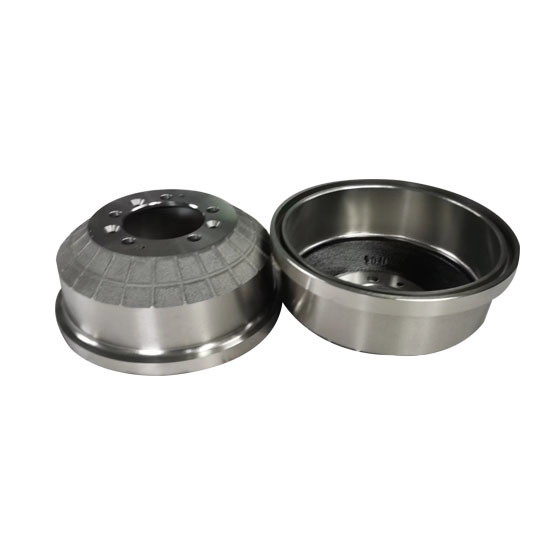
The world of automotive braking systems is predominantly defined by two main types: drum and disc brakes. **Drum brakes**, utilized for many years, feature a rotating drum that houses brake shoes. When the brake pedal is pressed, these shoes expand against the drum, generating the friction needed to slow down or stop the vehicle. In contrast, **disc brakes** use a flat rotor and calipers, providing superior stopping power and heat dissipation. As technology has advanced, the benefits of disc brakes have led many car enthusiasts and vehicle owners to consider converting their drum brakes to disc brakes.
2. Benefits of Converting from Drum to Disc Brakes
Converting to disc brakes offers numerous advantages that significantly enhance your vehicle's performance and safety.
Improved Stopping Power
**Disc brakes** are renowned for their better stopping power, especially under heavy loads or in emergency situations. The design allows for more effective heat dissipation, reducing the likelihood of brake fade.
Enhanced Heat Dissipation
During braking, friction generates heat. **Disc brakes** dissipate this heat more efficiently than drum brakes, ensuring consistent performance over extended periods.
Better Performance in Wet Conditions
Disc brakes dry out faster than drum brakes, allowing for superior performance in wet weather. This resilience is crucial for safety when driving in unpredictable conditions.
Lower Maintenance Needs
While both systems require maintenance, **disc brakes** generally require less frequent servicing. Their open design allows for easier inspection and cleaning, making upkeep more straightforward.
3. Essential Components for Drum to Disc Conversion
To embark on your drum to disc brake conversion, you'll need to gather several essential components. Each part plays a critical role in ensuring a successful and safe upgrade.
Brake Rotors
**Brake rotors** are the disc components that the calipers squeeze to create friction. Selecting the right rotor size and material is crucial for optimal performance.
Calipers
**Calipers** house the brake pads and apply pressure to the rotors when braking. High-performance calipers can significantly improve your vehicle's stopping power.
Brake Pads
**Brake pads** are vital for effective braking. Choosing high-quality pads tailored for your driving style and the vehicle's weight will enhance performance.
Brake Lines
Upgrading to **stainless steel brake lines** can improve pedal feel and responsiveness. These lines are more durable than standard rubber lines, ensuring longevity.
Mounting Hardware and Adapters
The conversion process may require specific **mounting hardware** and **adapters** to fit the new components onto your vehicle. It’s important to ensure compatibility with your car's make and model.
4. The Drum to Disc Brake Conversion Process
Converting drum brakes to disc brakes is a meticulous process that requires patience and precision. Here’s a step-by-step guide to facilitate your conversion.
Step 1: Gather Tools and Components
Before starting the conversion, ensure you have all necessary tools, including wrenches, a jack, and safety equipment. Have your components ready for installation.
Step 2: Remove the Old Drum Brakes
Begin by safely lifting the vehicle using a jack. Remove the wheel, followed by the drum brake assembly. This will typically involve unbolting the drum and disconnecting the brake lines.
Step 3: Install the Disc Brake Components
With the drum assembly removed, install the mounting brackets for the disc brakes. Securely attach the brake rotors and calipers to the newly installed brackets, ensuring everything is tightly fastened.
Step 4: Connect Brake Lines
Replace the old brake lines with new stainless steel lines, ensuring they are securely connected to the calipers. Check for any leaks and ensure all fittings are tight.
Step 5: Install New Brake Pads
Insert the new brake pads into the calipers, making sure they are positioned correctly. This step is crucial for the effective operation of your new braking system.
Step 6: Bleed the Brake System
After installation, it's essential to bleed the brakes to remove any air from the system. This ensures optimal brake performance. Follow a specific bleeding procedure for your vehicle model.
Step 7: Test and Fine-Tune
Once everything is installed, lower the vehicle and test the brakes at low speeds before taking it on the road. Check the responsiveness and make necessary adjustments.
5. Common Issues Encountered During Conversion
While converting to disc brakes can be rewarding, there are common issues that may arise during the process.
Compatibility Problems
Not all vehicles are designed to accommodate disc brakes. Ensure that the components you select are compatible with your car's make and model to avoid installation issues.
Brake Line Leaks
Improperly installed brake lines can lead to leaks, compromising the braking system's integrity. Regularly inspect connections and fittings to prevent leaks.
Noise and Vibration
After conversion, some drivers may experience noise or vibration during braking. This can often be attributed to misaligned components or the need for better quality pads.
6. Maintenance Tips for Disc Brakes
After successfully converting to disc brakes, maintaining them is crucial for optimal performance.
Regular Inspections
Conduct regular inspections of your braking system, checking for wear on the pads and rotors, as well as ensuring brake lines are intact.
Pad Replacement
Monitor brake pad thickness and replace them as needed to maintain effective braking power. Worn pads can compromise safety and performance.
Brake Fluid Changes
Changing the brake fluid at regular intervals is essential to prevent moisture buildup and maintain the efficiency of the braking system.
7. Cost Analysis of Drum to Disc Conversion
The cost of converting from drum to disc brakes can vary significantly based on several factors.
Average Costs
On average, the total cost for parts and labor can range from $800 to $2,000, depending on the vehicle and the quality of components chosen.
DIY vs. Professional Installation
Many car enthusiasts opt for DIY installations to save money. However, professional installation may be worth the investment for those unfamiliar with brake systems.
8. Conclusion: Enhance Your Braking Performance
Converting your car from drum brakes to disc brakes is a significant upgrade that enhances both safety and performance. The improved stopping power, heat dissipation, and ease of maintenance make this conversion a valuable investment for any vehicle owner. By following the outlined steps and ensuring regular maintenance, you can enjoy the benefits of your upgraded braking system for years to come.
9. FAQs About Drum to Disc Brake Conversion
What vehicles can be converted from drum to disc brakes?
Most vehicles, particularly older models, can be converted, but it's essential to verify compatibility with specific kits designed for your make and model.
Can I perform a drum to disc conversion myself?
Yes, if you have basic mechanical skills and the right tools, you can perform the conversion yourself. However, consider professional installation if you're uncertain.
How much does a drum to disc conversion typically cost?
Costs can range from $800 to $2,000, depending on components and whether you choose DIY or professional installation.
Will my vehicle's handling improve after the conversion?
Yes, disc brakes generally provide better handling and stopping performance, especially under heavy loads or during aggressive driving.
How often should I maintain my new disc brakes?
Regular inspections are recommended, with brake pads typically needing replacement every 30,000 to 70,000 miles, depending on driving style and conditions.
This guide serves as a comprehensive resource for anyone looking to enhance their vehicle's braking system through a drum to disc conversion, emphasizing the importance of safety and performance in driving.
Tag:
All
- All
- Product Management
- News
- Introduction
- Enterprise outlets
- FAQ
- Enterprise Video
- Enterprise Atlas
RELATED INFORMATION


Address
South of Xiaowangzhuang Village, Da Zhang Jia Zhuang Township, Longyao County
Supply Products