


Innovative Materials Revolutionizing Brake Drum Performance
Release time:
07 Jan,2026
Innovative Materials Revolutionizing Brake Drum Performance The automotive industry is constantly evolving, with innovative materials playing a crucial role in enhancing vehicle safety and efficiency. One of the most critical components of any vehicle is the braking system, particularly the brake drum. Traditional materials have served their purpose, but as technology progresses, the need for impr

Innovative Materials Revolutionizing Brake Drum Performance
The automotive industry is constantly evolving, with innovative materials playing a crucial role in enhancing vehicle safety and efficiency. One of the most critical components of any vehicle is the braking system, particularly the brake drum. Traditional materials have served their purpose, but as technology progresses, the need for improvements becomes evident. This article explores how innovative materials are revolutionizing brake drum performance and why these advancements are essential for modern vehicles.
Understanding the Importance of Brake Drums in Automotive Safety
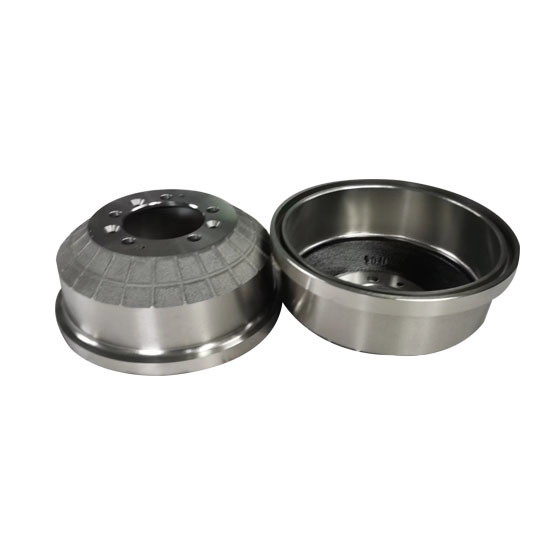
Brake drums are a vital part of a vehicle's braking system. They work in tandem with brake shoes to create the friction necessary to slow down or stop a vehicle. The effectiveness of brake drums directly impacts driving safety, making their performance a critical aspect of vehicle design.
The Traditional Brake Drum: Limitations and Challenges
Traditionally, brake drums have been made from cast iron, a material known for its resilience but not without drawbacks. Cast iron brake drums can suffer from issues such as:
- Heavyweight, leading to increased unsprung mass.
- Heat retention, which can cause brake fade during prolonged use.
- Corrosion susceptibility, particularly in harsh weather conditions.
These limitations have prompted manufacturers to seek alternative materials that offer improved performance and longevity.
Emerging Materials in Brake Drum Manufacturing
1. Composite Materials: A Game Changer
Composite materials, which combine two or more constituent materials, have emerged as a revolutionary option in brake drum manufacturing. By integrating polymers with other materials, manufacturers are creating brake drums that are not only lightweight but also exhibit enhanced durability.
Benefits of Composite Brake Drums
- Weight Reduction: Composite materials significantly reduce the weight of brake drums, improving vehicle handling and fuel efficiency.
- Heat Dissipation: These materials excel in dissipating heat, which minimizes brake fade during continuous operation.
- Corrosion Resistance: Composites offer superior resistance to corrosion compared to traditional cast iron.
2. Carbon-Carbon Composites: High-Performance Solutions
For performance vehicles and heavy-duty applications, carbon-carbon composites are becoming increasingly popular. These materials consist of carbon fibers embedded in a carbon matrix, providing exceptional strength and thermal stability.
Advantages of Carbon-Carbon Brake Drums
- Extreme Heat Resistance: Carbon-carbon composites can withstand high temperatures without losing integrity, making them ideal for racing and heavy towing.
- Lightweight: Similar to other composite materials, carbon-carbon reduces the overall weight of the braking system.
- Durability: These materials exhibit impressive resistance to wear and tear, translating into longer-lasting brake performance.
3. Aluminum Alloys: A Lightweight Alternative
Aluminum alloys have found their place in brake drum manufacturing as a lightweight alternative to cast iron. While aluminum is not as strong as cast iron, advanced alloying techniques have significantly improved its performance characteristics.
Key Benefits of Aluminum Alloys
- Reduced Weight: Aluminum brake drums are notably lighter, contributing to overall vehicle performance.
- Improved Cooling: Aluminum's thermal conductivity allows for better cooling, reducing the risk of brake fade.
- Corrosion Resistance: Most aluminum alloys possess strong resistance to corrosion, enhancing longevity.
Technological Innovations Driving Material Development
1. Advanced Manufacturing Techniques
The development of innovative materials is complemented by advanced manufacturing techniques such as 3D printing and automated molding processes. These technologies enable the precise integration of materials, allowing for complex geometries that enhance brake drum performance.
2. Nanotechnology in Brake Drum Production
Nanotechnology is making waves in the materials science field. By manipulating materials at the nanoscale, manufacturers can create brake drums with superior properties, such as enhanced strength and reduced weight. The incorporation of nanoparticles can improve friction characteristics and thermal resistance, making for a more efficient braking system.
Environmental Considerations in Brake Drum Materials
As the automotive industry shifts towards sustainability, the environmental impact of materials used in brake drum production is becoming increasingly important. Manufacturers are focusing on eco-friendly materials that not only perform well but also minimize environmental harm.
Biodegradable Composites: The Future of Brake Drums?
Research into biodegradable composites is ongoing, with the potential to create brake drums that can decompose at the end of their lifecycle. This would significantly reduce waste and promote sustainability in the automotive sector.
Future Trends in Brake Drum Technology
1. Smart Brake Drums: Integrating Sensors and AI
The future of brake drum technology might involve smart systems equipped with sensors that monitor performance in real-time. By integrating artificial intelligence, these systems could provide drivers with alerts regarding brake wear and potential issues, enhancing safety and performance.
2. Customization and Performance Optimization
As consumer demand for high-performance vehicles grows, manufacturers are likely to explore customization options for brake drums. Tailoring materials and designs to specific driving conditions or preferences could lead to enhanced user experiences.
Conclusion
Innovative materials are undeniably revolutionizing brake drum performance, enhancing safety, efficiency, and sustainability in the automotive industry. From composite materials and carbon-carbon solutions to aluminum alloys and emerging technologies, the possibilities are vast. As we move forward, the continuous evolution of materials science, coupled with technological advancements, will undoubtedly lead to safer and more efficient braking systems. Staying informed about these innovations will be crucial for manufacturers and consumers alike, ensuring that the vehicles of the future are equipped with the best braking technology available.
Frequently Asked Questions (FAQs)
1. What materials are commonly used in brake drum manufacturing?
Common materials include cast iron, composite materials, carbon-carbon composites, and aluminum alloys. Each material offers unique benefits that cater to different driving conditions and performance requirements.
2. How do composite materials improve brake drum performance?
Composite materials enhance brake drum performance by reducing weight, improving heat dissipation, increasing durability, and providing better corrosion resistance compared to traditional materials.
3. Are carbon-carbon brake drums suitable for everyday vehicles?
Carbon-carbon brake drums are primarily designed for high-performance applications, such as racing or heavy-duty vehicles, due to their extreme heat resistance and durability. They may not be cost-effective for standard everyday vehicles.
4. What role does nanotechnology play in brake drum production?
Nanotechnology allows manufacturers to manipulate materials at the nanoscale, resulting in brake drums with improved strength, reduced weight, and enhanced thermal resistance, contributing to overall efficiency.
5. Are there environmentally friendly options for brake drums?
Yes, ongoing research into biodegradable composites aims to create eco-friendly brake drums that can decompose at the end of their lifecycle, reducing waste and promoting sustainability in the automotive industry.
Tag:
- All
- Product Management
- News
- Introduction
- Enterprise outlets
- FAQ
- Enterprise Video
- Enterprise Atlas
RELATED INFORMATION


Address
South of Xiaowangzhuang Village, Da Zhang Jia Zhuang Township, Longyao County
Supply Products