


Maximizing Brake Drum Longevity: Essential Maintenance Tips for Vehicle Owners
Release time:
28 Dec,2025
Maximizing Brake Drum Longevity: Essential Maintenance Tips for Vehicle Owners Brake drums play a critical role in your vehicle's braking system. Proper maintenance can significantly enhance their lifespan, ensuring safety and reliability. This article provides in-depth insights and practical tips that vehicle owners can implement to maximize brake drum longevity. Understanding how to care for y

Maximizing Brake Drum Longevity: Essential Maintenance Tips for Vehicle Owners
Brake drums play a critical role in your vehicle's braking system. Proper maintenance can significantly enhance their lifespan, ensuring safety and reliability. This article provides in-depth insights and practical tips that vehicle owners can implement to maximize brake drum longevity. Understanding how to care for your brake system not only improves performance but also saves you money in the long run.
The Importance of Brake Drums in Vehicle Safety
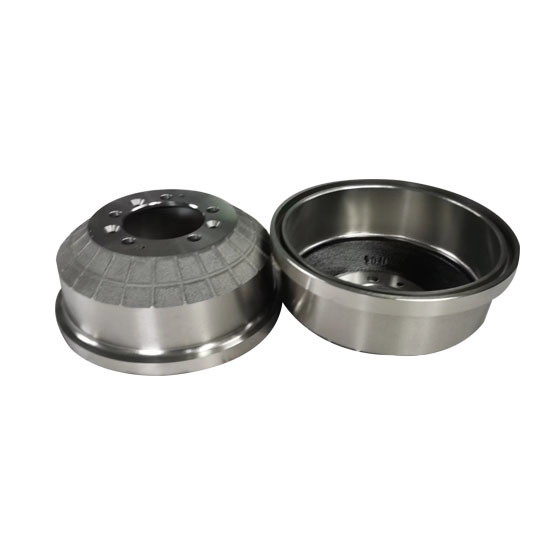
Brake drums are integral to the braking process in many vehicles, especially those with drum brakes at the rear. When the brake pedal is pressed, brake shoes are forced against the inner surface of the drum, creating friction that slows down the vehicle. Given this vital function, maintaining brake drums is essential for ensuring the **safety** of both the vehicle and its passengers.
Neglecting brake maintenance can lead to decreased performance and safety risks, such as longer stopping distances and brake failure. Therefore, being proactive about brake drum care is crucial for vehicle owners.
Understanding Brake Drum Wear and Tear
Like any mechanical component, brake drums undergo wear and tear over time. Factors influencing their longevity include driving habits, road conditions, and the quality of the brake components themselves. Identifying signs of wear is vital to maintaining effective braking performance. Here are common indicators of brake drum wear:
Signs of Worn Brake Drums
- Increased Stopping Distance: If you notice that your vehicle takes longer to come to a stop, it could indicate worn brake drums.
- Vibrations or Pulsations: Unusual vibrations when braking can suggest uneven wear on the brake drum.
- Noisy Braking: Grinding or squealing noises may signal that the brake shoes or drums are worn and need attention.
- Visible Cracks or Grooves: Inspecting the drum for physical damage, such as cracks or deep grooves, is crucial.
Essential Maintenance Tips for Brake Drums
To maximize brake drum longevity, vehicle owners should adhere to a regular maintenance routine. Here are some practical tips to enhance brake drum performance:
1. Regular Inspections
Routine inspections are crucial for identifying potential problems early. Vehicle owners should inspect their brake systems at least once a year or every 12,000 miles, whichever comes first. Look for signs of wear, such as:
- Cracks or scoring on the drum surface
- Excessive rust or corrosion
- Uneven wear patterns on the brake shoes
Early detection of these issues can prevent costly repairs down the line.
2. Keep Brake Components Clean
Maintaining cleanliness in the brake area is vital. Brake dust and debris can accumulate, causing reduced performance and increased wear. Regularly cleaning the brake assembly helps maintain optimal performance. Follow these steps:
- Use a soft brush to remove dust and debris from the drum and brake shoes.
- Inspect and clean the backing plate and other surrounding components.
- Use brake cleaner to eliminate any contaminants.
3. Ensure Proper Brake Shoe Adjustment
Proper adjustment of the brake shoes ensures that they make adequate contact with the drum. Misalignment can lead to uneven wear and reduced braking efficiency. Follow these guidelines:
- Check the adjustment mechanism regularly.
- Consult your vehicle's manual for the correct adjustment procedure.
- Perform adjustments when replacing brake shoes.
4. Use Quality Replacement Parts
Investing in high-quality brake components is essential for maximizing longevity. Lower-quality parts may save money initially but can lead to quicker wear and safety issues. When replacing brake drums or shoes, consider the following:
- Choose reputable brands known for performance and durability.
- Consult with automotive professionals for recommendations.
- Opt for OEM (Original Equipment Manufacturer) parts when possible.
5. Monitor Driving Habits
Your driving style can significantly impact brake drum wear. Consider the following practices to enhance drum longevity:
- Avoid aggressive braking; apply brakes smoothly and gradually.
- Limit frequent short trips where brakes don’t have time to cool down.
- Utilize engine braking when going downhill to reduce brake wear.
6. Check Brake Fluid Regularly
The brake fluid plays a crucial role in the overall braking system. Low or contaminated brake fluid can lead to brake failure. Ensure regular checks of the brake fluid level and quality:
- Top off the brake fluid when necessary, using the correct type specified by the vehicle manufacturer.
- Change the brake fluid according to the manufacturer’s recommendations, typically every two years.
7. Keep an Eye on Wheel Alignment and Suspension
Poor wheel alignment and suspension issues can lead to uneven brake drum wear. Regular maintenance of your vehicle’s alignment and suspension system is crucial for overall performance. Here’s what to do:
- Have your wheel alignment checked at least once a year or after hitting significant potholes.
- Inspect suspension components regularly for wear and tear.
8. Professional Brake Inspections
While vehicle owners can perform basic maintenance, professional inspections are crucial for comprehensive care. Schedule brake system inspections with a qualified mechanic at regular intervals. A professional can identify hidden issues that may go unnoticed during routine checks.
FAQs About Brake Drum Maintenance
1. How often should I inspect my brake drums?
It is advisable to inspect your brake drums at least once a year or every 12,000 miles to ensure optimal performance and safety.
2. What are signs I need to replace my brake drums?
Signs include increased stopping distance, vibrations during braking, unusual noises, or visible cracks and grooves in the drum.
3. Can I clean my brake drums myself?
Yes, you can clean your brake drums using a soft brush and brake cleaner, but ensure you follow proper safety precautions.
4. Are aftermarket brake parts as good as OEM parts?
While some aftermarket parts can be high quality, OEM parts are generally recommended for their reliability and compatibility with your vehicle.
5. How does driving style affect brake drum wear?
Aggressive braking and frequent short trips can accelerate brake drum wear. Smooth driving and utilizing engine braking can help extend their lifespan.
Conclusion
Maximizing the lifespan of your brake drums requires regular maintenance, quality parts, and mindful driving habits. By implementing these essential tips, vehicle owners can ensure a safer driving experience while saving on future repair costs. Remember, maintaining your vehicle's brake system is not just about performance—it's about safety on the road. Prioritize brake care to enjoy peace of mind during every journey.
Tag:
- All
- Product Management
- News
- Introduction
- Enterprise outlets
- FAQ
- Enterprise Video
- Enterprise Atlas
RELATED INFORMATION


Address
South of Xiaowangzhuang Village, Da Zhang Jia Zhuang Township, Longyao County
Supply Products